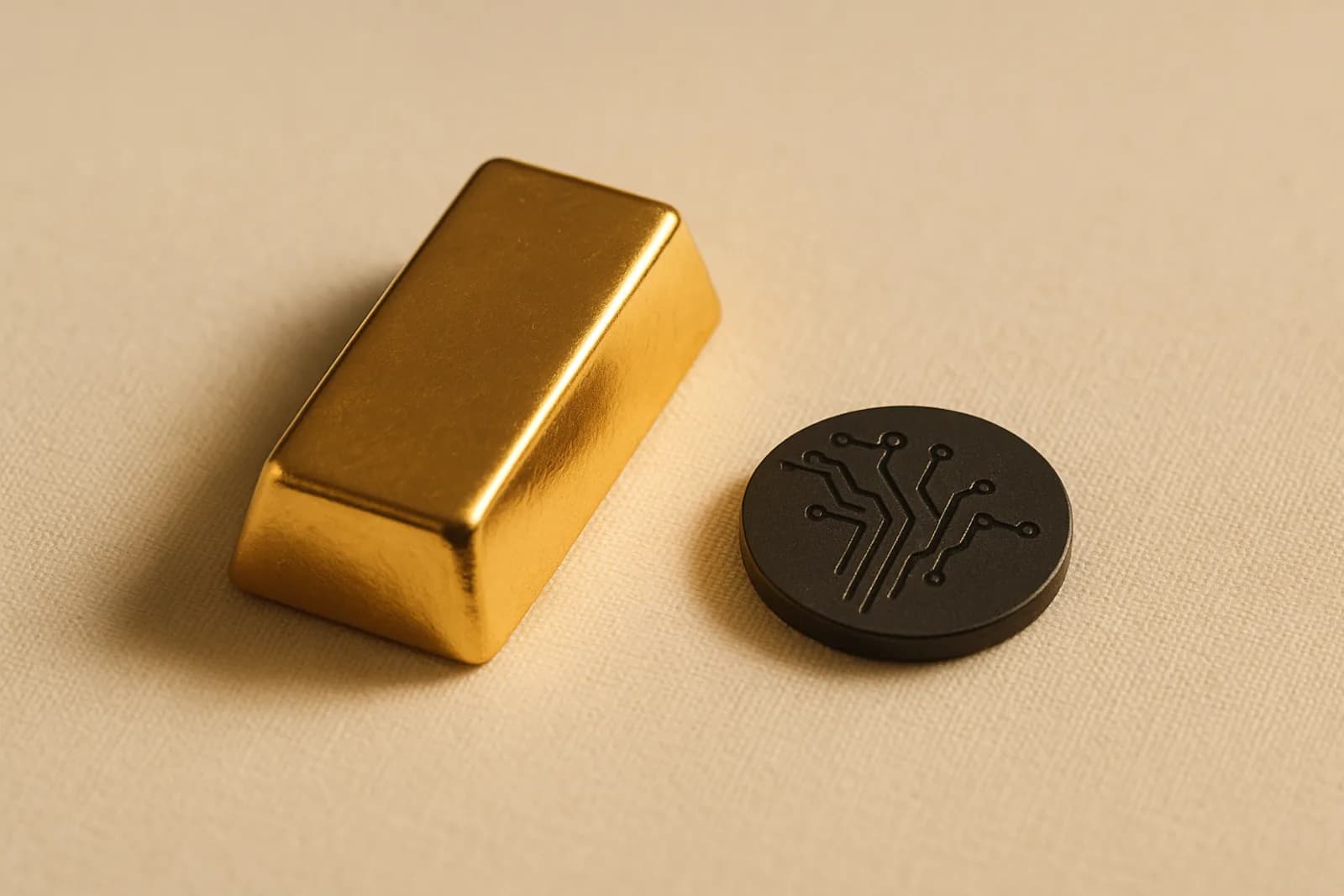
Ask ten precious-metals owners whether to buy gold or silver and you'll get ten confident, contradictory answers. That's because the honest reply isn't one metal over the other — it's understanding what each one is for. They share a vault and a reputation, but they behave like very different animals.
Gold is wealth that sits still. Silver is wealth that fidgets. Both have a place; the trick is knowing which job you're hiring each one to do.
What actually moves each metal
Gold is overwhelmingly a monetary asset. Its price responds to real interest rates, the strength of the dollar, central-bank buying, and fear. Central banks have been accumulating it at a historic pace — well above the long-run average for several years running.
Silver wears two hats. It's a monetary metal and an industrial one. A large slice of annual silver demand is consumed by factories — solar panels, electronics, electric vehicles, medical equipment. That industrial base gives silver a growth story gold lacks, but it also tethers silver's price to the economic cycle.
Gold protects what you have; silver swings for what you might gain. Most serious stackers own both — the only real question is the ratio.
The gold-silver ratio, and why it matters
The single most useful number in this debate is the gold-silver ratio: how many ounces of silver it takes to buy one ounce of gold. The long-run average sits around 65–70, and over the past century the ratio has swung from the low 30s to over 100. Stackers use it as a rough value gauge — a high ratio tempts buyers toward silver, a low one nudges them back to gold.
The practical differences nobody mentions upfront
- Storage. The same value in silver takes up vastly more space and weight than gold.
- Premiums. Silver typically carries a higher premium over spot as a percentage, because fabrication and shipping cost more relative to its lower value per ounce.
- Tax. Depending on where you live, the two metals can be treated very differently — worth checking before a large buy.
- Liquidity in a pinch. Smaller silver coins are easier to sell in modest amounts; a single gold coin is a large, indivisible chunk of value.
So which should you buy?
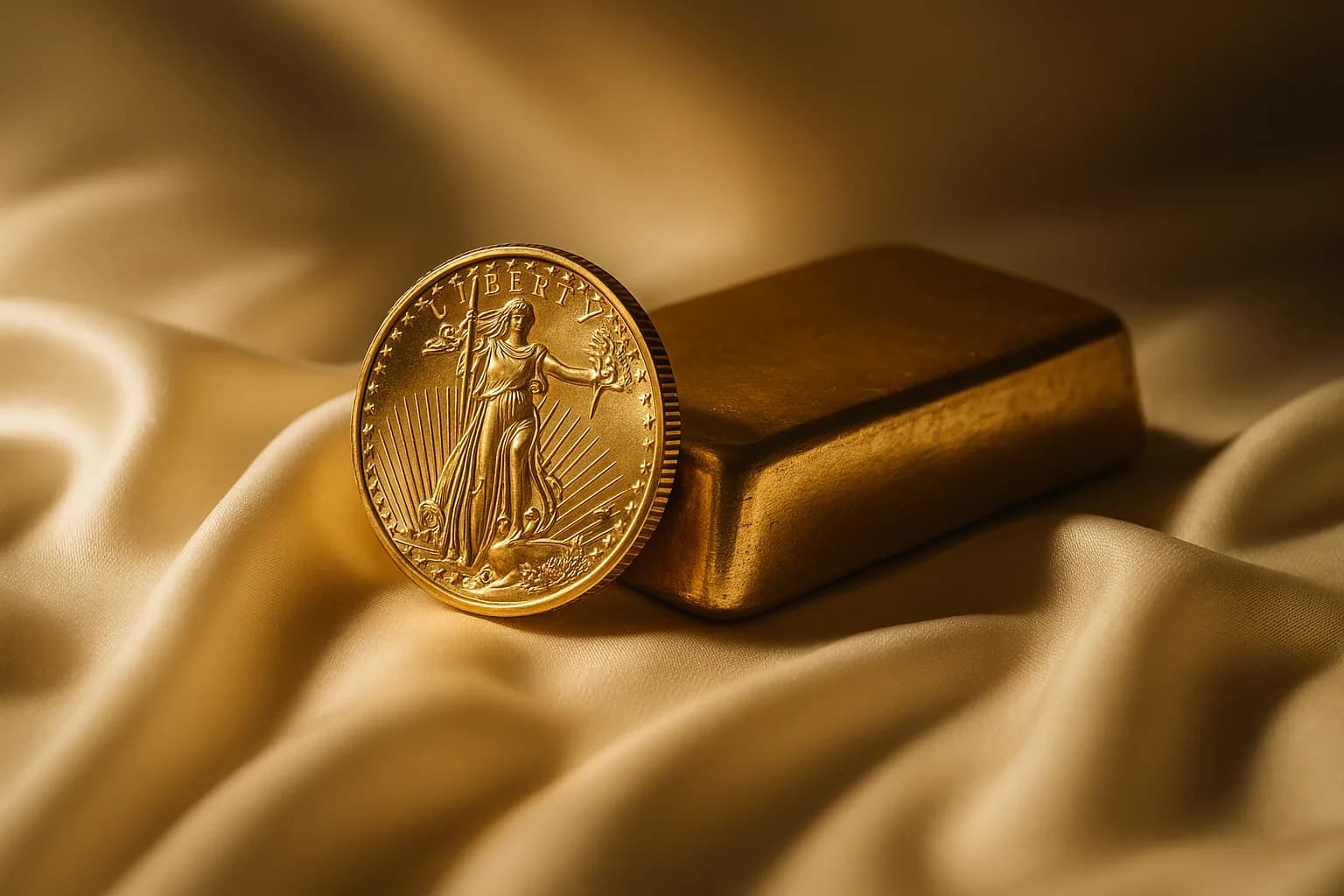
- Buy gold if your priority is preserving capital with the lowest drama and compact storage. View gold coins and bars →
- Buy silver if you can stomach bigger swings, like the industrial-demand upside, and prefer a smaller entry price per coin. Explore our silver range →
- Buy both if you're like most committed stackers — a gold core for stability with a silver satellite for growth.
If you're starting from zero, build a gold foundation first, then add silver once you understand how much volatility you can tolerate. The cheapest way to find out is to stack silver coins in small amounts and watch how you react. There's no prize for picking only one.