Every newcomer to bullion has the same moment of confusion. They look up the spot price of gold, walk into a dealer, and the coin costs more. That gap is the premium over spot, and understanding it is the difference between buying metal intelligently and overpaying without knowing it.
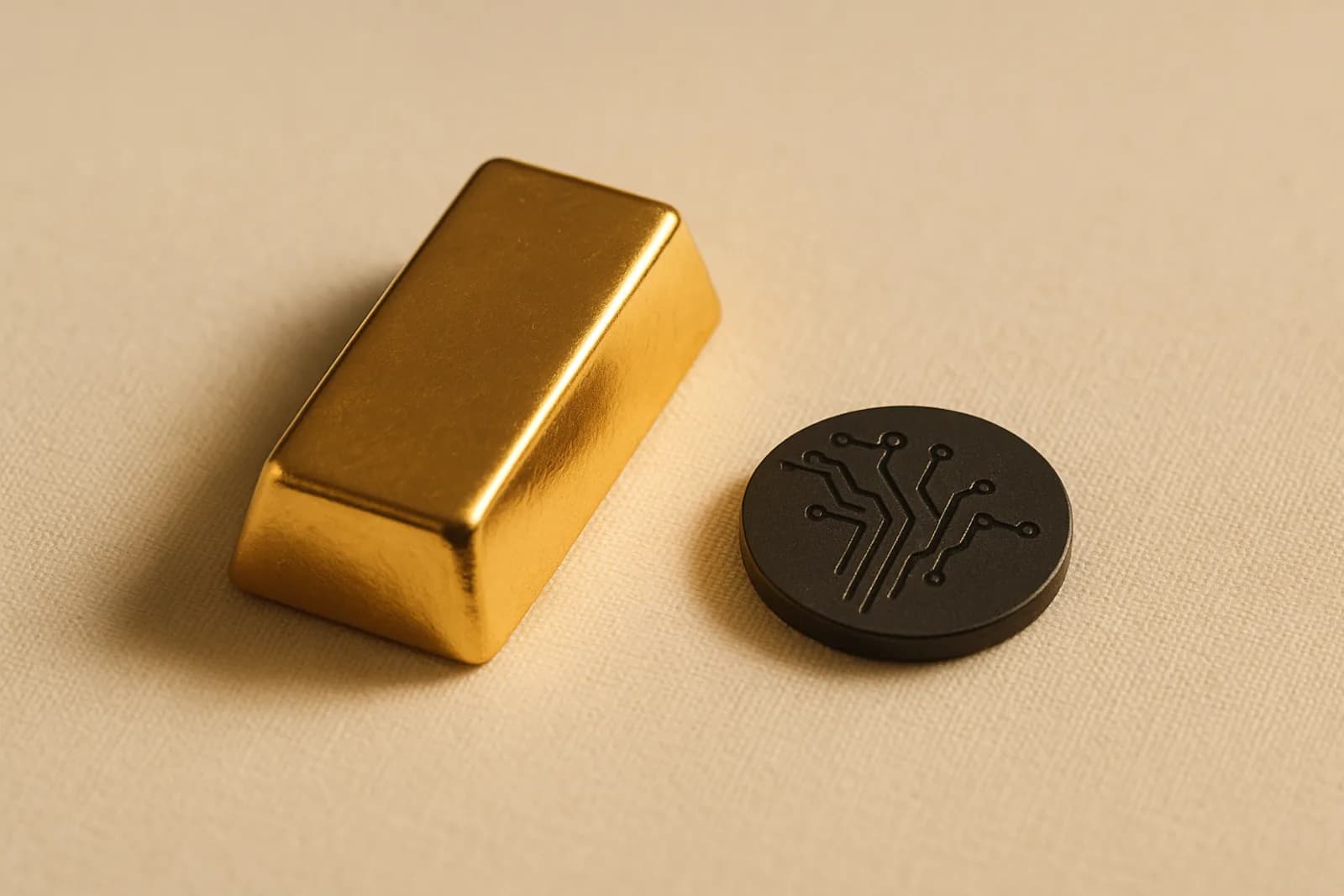
The foundational truth: you can almost never buy physical metal at spot. Spot is a paper benchmark. The premium is the bridge between that benchmark and a real coin or bar in your hand.
Spot is the wholesale price for a trade that never actually lands a coin in your hand. The premium is what turns an abstract number into a thing you can hold.
What the premium pays for
- Refining and minting — turning raw bullion into a precisely weighted, stamped product.
- Fabrication detail — an intricate coin costs more to produce than a plain bar.
- Distribution — each insured, secured step from mint to dealer.
- Dealer margin — what keeps a real company and a real buyback desk running.
- Demand pressure — premiums spike independently of spot during buying frenzies.
What's reasonable
- 1oz gold bars: roughly 2–4% over spot — the leanest way to buy gold by value.
- Sovereign gold coins: around 4–8%, reflecting recognisability.
- Fractional gold coins: 12–20%+ — the smaller the piece, the higher the percentage.
- Large bars (1kg+): often 1–3%, as fixed costs spread across more metal.
A useful rule: premium as a percentage falls as the size of the item rises. If your goal is maximum metal per pound spent, buy bigger units — compare premiums on our bars or see live coin pricing to watch this play out.
The part most guides skip: the spread
The premium you pay when buying is only half the equation. The other half is the buy-sell spread — the difference between what a dealer sells a coin for and what they'll pay to buy it back. A coin with a low buying premium but a punishing buyback price isn't a bargain; it's a trap. Always look at both numbers together. This is exactly why widely recognised coins and bars are worth their slightly higher premiums: they have a deep, liquid resale market that keeps the spread tight.
Red flags that you're overpaying
- Vague "exclusive" coins marketed as collectibles at premiums far above standard bullion.
- Premiums that don't shrink on larger orders.
- Opaque pricing where the spot reference and markup aren't broken out.
- A quoted buyback far below current spot on standard products.
The premium isn't the enemy — it's the price of holding something real instead of a number on a screen. Pay a fair one, on a recognised product, from a transparent dealer, and you'll never feel cheated. Start by browsing our gold products with the premium shown plainly alongside spot.